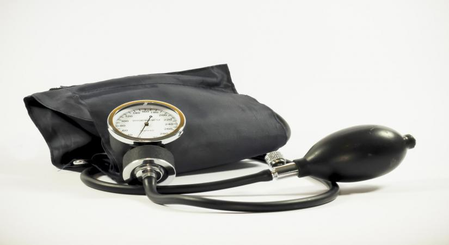
New Delhi, February 8: The number of patients suffering from hypertension, or high blood pressure, is increasing daily due to unhealthy lifestyles. Factors such as excessive salt intake, junk food consumption, stress, lack of exercise, obesity, and the use of tobacco and alcohol are significant contributors to this “silent killer.”
The National Health Mission has raised an alert about hypertension, labeling it a “silent killer.” This condition gradually damages the body without any noticeable symptoms and can be life-threatening. Hypertension affects the heart, kidneys, and brain. However, it can be managed or prevented through a balanced diet, regular exercise, and routine check-ups.
Experts indicate that the most common cause of hypertension today is an unhealthy lifestyle. According to the National Health Mission, making small lifestyle changes is crucial for controlling and preventing hypertension. If not addressed promptly, it can lead to heart diseases, strokes, kidney failure, and vision problems.
Key causes of hypertension include high salt intake. Consuming too much salt daily raises blood pressure. Processed foods, chips, snacks, pickles, and restaurant meals are often loaded with salt. Additionally, prolonged work pressure, family issues, or mental stress can elevate blood pressure. A sedentary lifestyle, lack of exercise, and obesity further exacerbate the condition.
Moreover, excessive consumption of junk and processed foods, along with tobacco and alcohol use, damages blood vessels and increases the risk of hypertension. Excess weight, particularly around the abdomen, puts pressure on the heart and raises blood pressure.
The National Health Mission advises that to prevent hypertension, individuals should regularly monitor their blood pressure, maintain a balanced and low-salt diet, engage in at least 30 minutes of exercise or walking daily, practice yoga and meditation to reduce stress, avoid tobacco and alcohol, and manage their weight.
Doctors recommend that everyone over the age of 18 should have their blood pressure checked at least once a year. If there is a family history of hypertension, testing becomes even more critical. Early detection allows for effective management through medication and lifestyle changes.