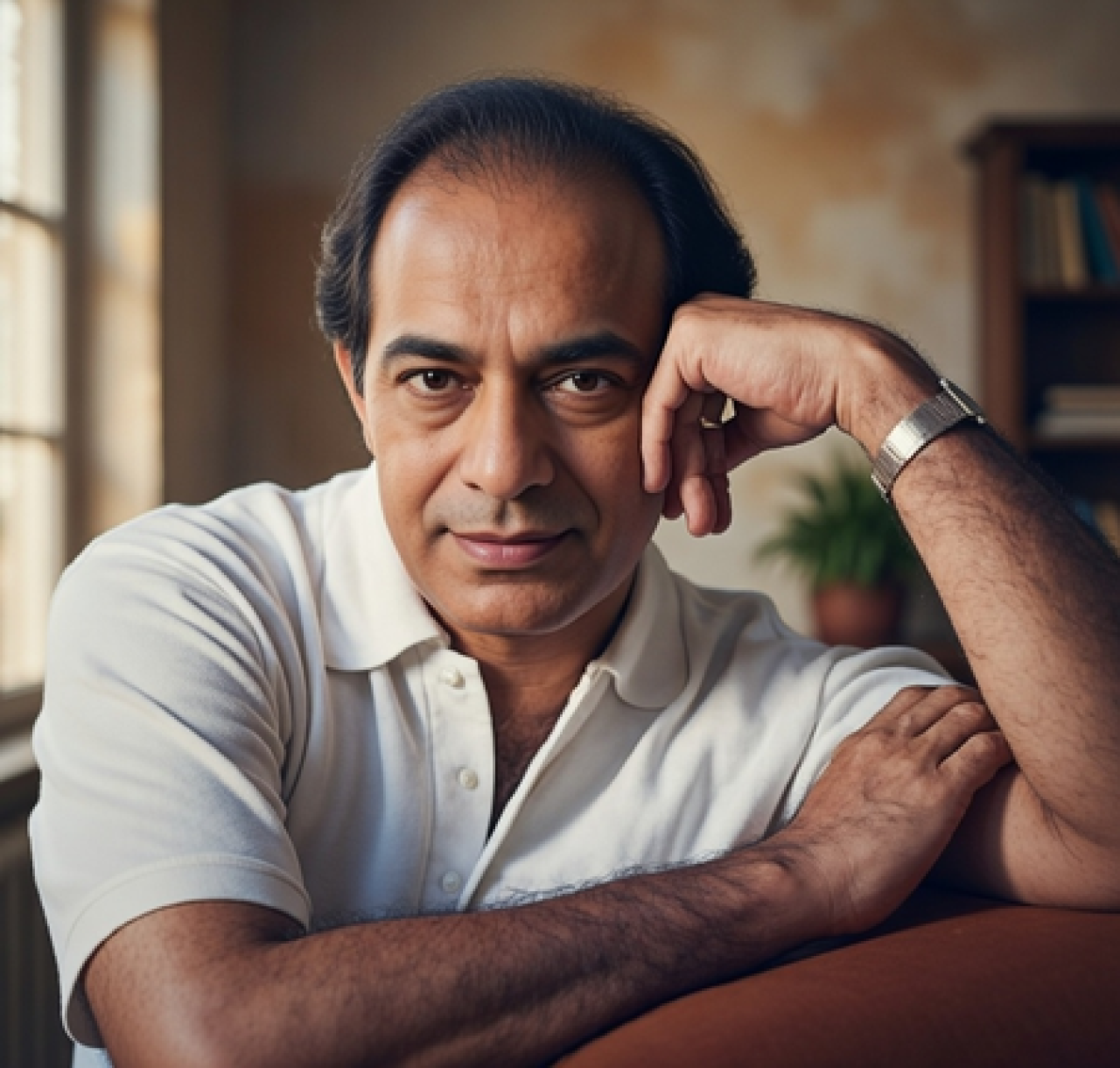
Mumbai, February 24: The music of Hindi cinema has always evolved, but some artists transcend mere trends to create a new era. Talat Mahmood is one such iconic figure. In the 1950s, he infused the film industry with the sweetness of ghazals, transforming the very essence of songs. At that time, films predominantly featured simple tunes and romantic melodies, but he brought the depth of Urdu literature, poetry, and emotions to the screen.
Born on February 24, 1924, in Lucknow, Talat Mahmood’s voice had a unique quiver that resonated with listeners. When he sang a couplet, it felt as if he was conveying each word with profound emotion. His singing style was marked by simplicity rather than noise, which led to Film Ghazals being recognized as a distinct genre.
The 1950s were a golden era for him. Through songs like “Shaam-e-Gham Ki Kasam,” “Jalte Hain Jiske Liye,” and “Phir Wahi Shaam Wahi Gham,” he demonstrated that ghazals could have a significant impact on the big screen. During a time when many singers opted for high-pitched vocals, Talat carved his niche with a softer approach. His strong command of Urdu enriched film music, characterized by precise pronunciation, clear enunciation, and a deep understanding of poetry.
His influence encouraged composers to focus more on ghazal-based melodies, establishing film ghazals as a recognized form embraced by audiences.
Talat Mahmood’s impact extended beyond India. In 1960, he recorded two Bengali songs for a film from then-East Pakistan, now Bangladesh. This was a significant achievement at the time. Despite the language barrier, the sweetness of his voice captivated listeners there as well, showcasing his international appeal.
As musical tastes have changed over time, the identity of film ghazals that Talat Mahmood established remains strong to this day.