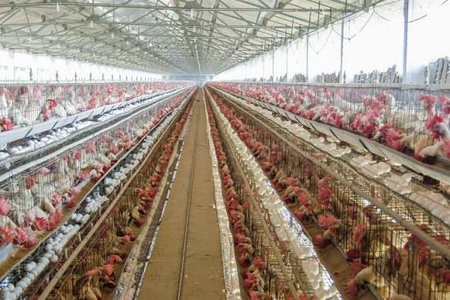
Chennai, February 9: Following reports of avian influenza cases and unusual bird deaths in some regions of Tamil Nadu, poultry farms in Namakkal district have intensified biosecurity and sanitation measures.
Although no outbreaks have been detected in Namakkal so far, farmers and officials are proactively working to ensure the safety of the district’s poultry sector, which is one of India’s largest centers for egg production and export.
Officials stated that this monitoring is crucial to prevent the highly contagious virus from infiltrating the well-managed farm ecosystem. Given the large scale of operations in Namakkal and the constant movement of people, vehicles, and goods, even a minor lapse could pose a risk. Consequently, strict measures have been implemented to mitigate this risk.
Sanitation campaigns have been ramped up, and access to farms has been restricted. Only essential personnel are allowed entry, and new visitors are prohibited. Vehicles entering the farms are being thoroughly disinfected, and all operations are conducted in accordance with protocols established by veterinary colleges and the animal husbandry department.
Valson Parameswaran, Secretary of the All India Poultry Product Exporters Association, noted that the Namakkal poultry belt adheres to biosecurity regulations year-round, but additional precautions are taken whenever alerts are issued. He emphasized that during such times, farmers, owners, and officials collaborate closely, enhancing cleanliness and strictly controlling access to prevent disease from reaching their farms.
Poultry owners confirmed that the frequency of disinfection has doubled. Cleaning is now conducted weekly instead of every 15 days. As eggs are regularly exported from Namakkal to domestic and international markets, farms must maintain multiple layers of security measures, including stringent hygiene standards and continuous monitoring.
A poultry farmer from Tirupur shared that the controlled environment within commercial farms significantly reduces the risk of infection. He stated, “Our biosecurity systems operate year-round. Compared to open bird habitats, our farms are much less vulnerable.” Meanwhile, veterinary doctors from the animal husbandry department are conducting routine inspections.
A senior official mentioned that inspections typically occur every 10 to 15 days, but daily visits will be arranged if any signs of concern arise. Officials stressed that while the district is currently safe, vigilance is essential for the protection of Namakkal’s vital poultry industry.