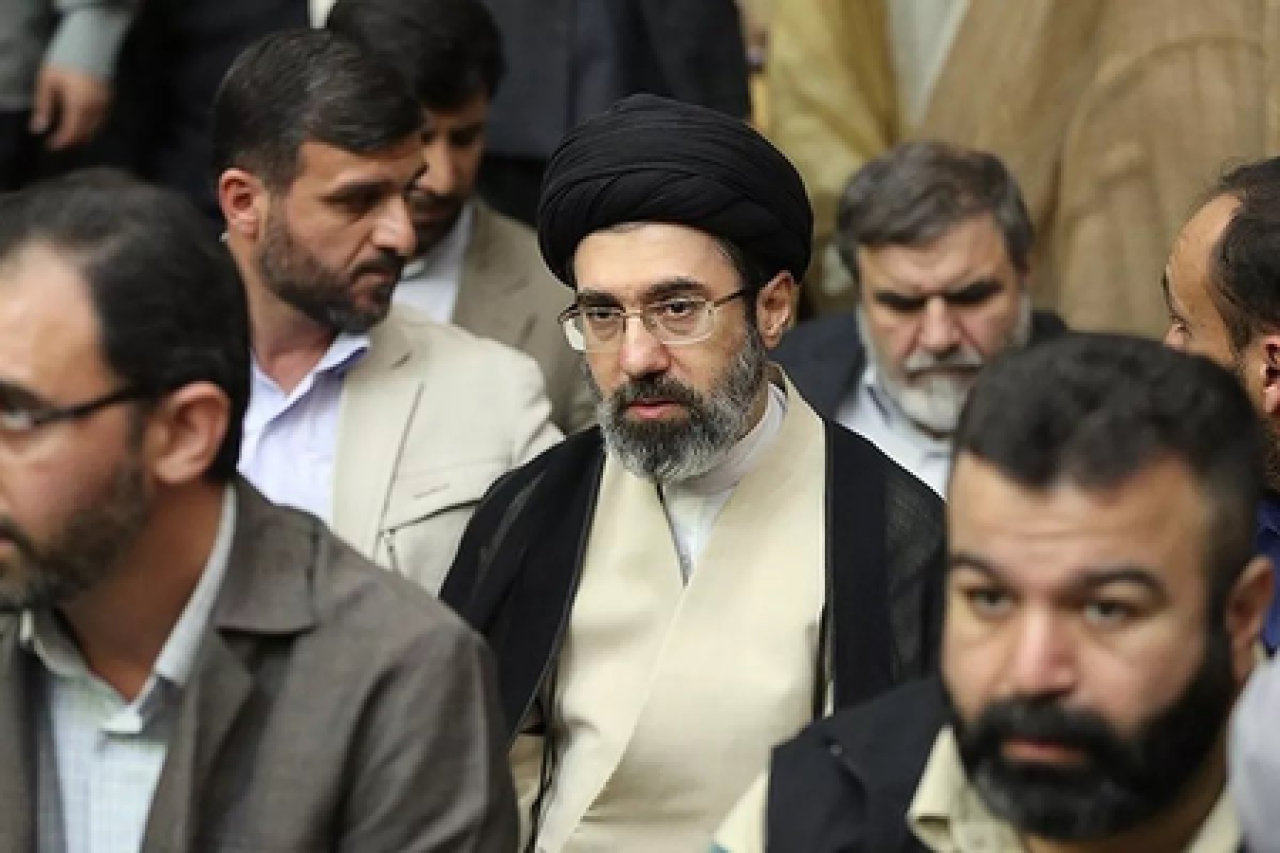
Tehran, March 4: According to a recent media report, Mojtaba Khamenei, the son of Ayatollah Ali Khamenei, has been appointed as Iran’s new Supreme Leader.
Iran International cited informed sources stating, “The Assembly of Experts has chosen Mojtaba Khamenei as the next Supreme Leader.”
The 56-year-old Mojtaba Khamenei will now assume the country’s highest leadership role. He is the second son of Ali Khamenei and has long been viewed by analysts and experts as a potential successor.
However, his ascension to the Supreme Leader position is considered politically sensitive. This is due to the recent death of his father, Ali Khamenei, in joint attacks by the United States and Israel. Following these attacks, tensions and conflicts have escalated across the Middle East.
Iran’s Islamic Republic has always presented itself as an ideological alternative to hereditary monarchy, meaning that the system does not traditionally support power being passed down within families. Thus, if a son takes over after his father, it raises questions about the principles of the regime.
The report also claims that the Islamic Revolutionary Guard Corps (IRGC) exerted significant pressure on religious leaders within the Assembly of Experts to support Mojtaba’s candidacy.
According to the report, the IRGC urged the clerics present at the meeting to select Mojtaba Khamenei as the new Supreme Leader.
The position of Supreme Leader is considered the most powerful in Iran, granting the individual ultimate authority over all significant national matters. The Supreme Leader is also the commander-in-chief of the military and oversees the influential Revolutionary Guard. The U.S. designated this organization as a terrorist group in 2019.
During Ali Khamenei’s long tenure, the Revolutionary Guard significantly increased its influence over Iran’s politics, military, and economy.
The report further indicates that Mojtaba Khamenei has close ties with the Revolutionary Guard and is believed to have played a significant behind-the-scenes role for many years.
It is said that he has already been managing the operations of the Supreme Leader’s office in practice. Many analysts consider him one of the key power centers within Iran’s governance structure.