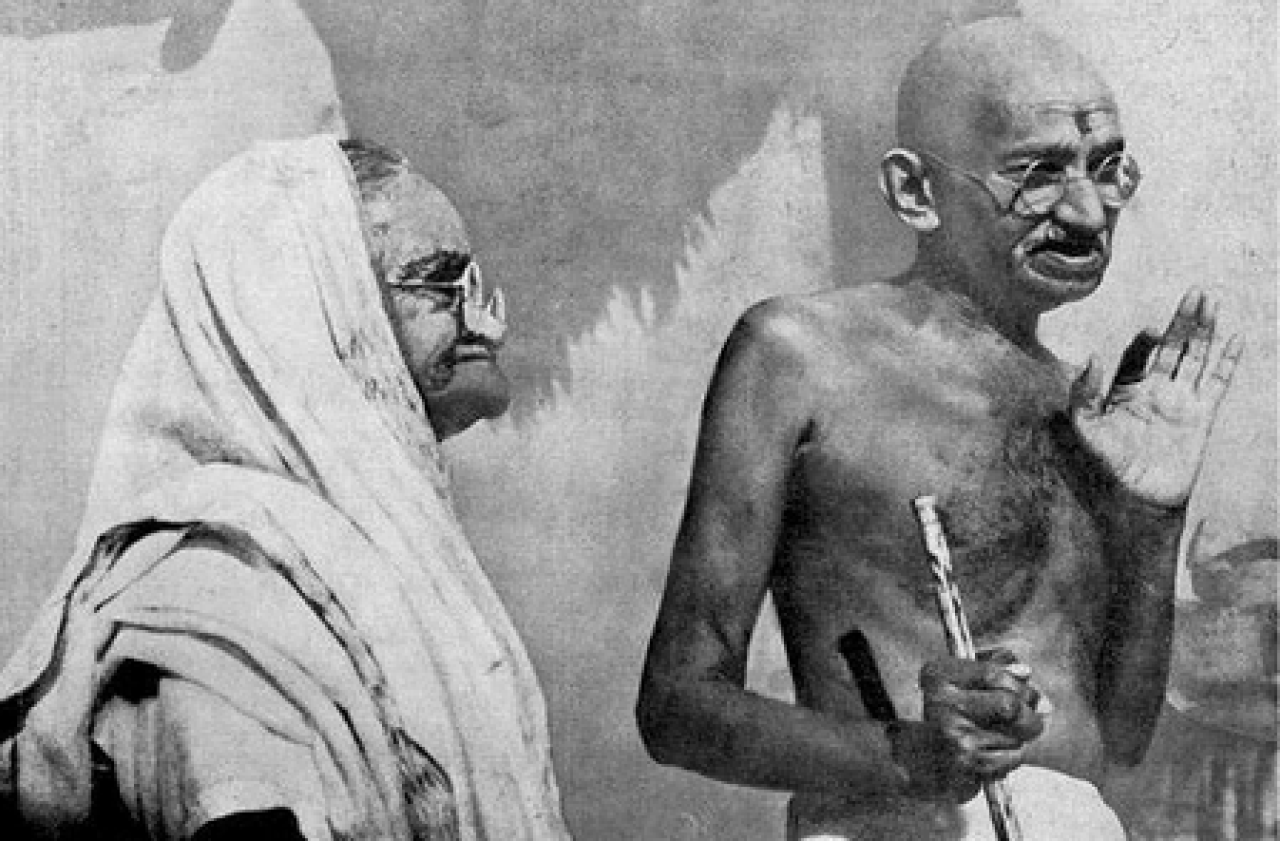
New Delhi, February 21: Kasturba Gandhi is often seen merely as the ‘shadow’ of Mahatma Gandhi in the pages of history. However, a deeper look reveals that she was a fearless and determined leader in her own right. Her transformation from an uneducated girl in Porbandar at the end of the 19th century to the revered ‘Ba’ of the nation is both remarkable and inspiring.
Born on April 11, 1869, in a wealthy merchant family in Porbandar, Gujarat, Kasturba faced the rigid societal norms of her time. In a conservative Gujarati society, education for girls was deemed unnecessary and even against social customs. Consequently, she was engaged at the tender age of seven to Mohandas Karamchand Gandhi (Mahatma Gandhi), and married at just 13.
Her early married life was tumultuous. The young Mohandas was a demanding husband who expected Kasturba to comply with his every wish. He aimed to educate her, but Kasturba possessed her own independent thoughts. After long hours of household chores, when Mohandas attempted to teach her at night, she often expressed her dissent through silence.
Interestingly, the concepts of ‘Satyagraha’ and ‘Ahimsa,’ which would later shake the foundations of powerful governments, were born not in political arenas or libraries but within their home. Mohandas imposed restrictions on her freedom of movement, while disobeying his mother’s orders was considered sinful. When his mother asked her to visit the temple, Kasturba would quietly go without seeking her husband’s permission, as communication between them during the day was forbidden. When Mohandas grew angry, she would calmly present her case. Her peaceful yet firm resistance was so compelling that it compelled Gandhi to lift his restrictions. He later acknowledged, “I learned the lesson of non-violence from my wife… her steadfastness made me realize that I was not born to rule over her.”
In 1897, Kasturba joined her husband in South Africa. This period transformed her from a traditional Hindu wife into a courageous political activist. The severe racial discrimination and inhumane injustices she witnessed deeply affected her.
In 1904, a devastating ‘bubonic plague’ outbreak struck the Indian community in Johannesburg. Without regard for her own safety, Kasturba engaged with patients, raising awareness about hygiene and prevention. That same year, Gandhi established the ‘Phoenix Settlement’ near Durban. When Gandhi was imprisoned, Kasturba took on the role of the ‘matriarch’ of the ashram. Demonstrating solidarity, she began to eat the same simple boiled food provided to her husband in prison. On September 23, 1913, despite her poor health, she led the first group of 16 Satyagrahis across the Transvaal border, resulting in her arrest and a harsh three-month imprisonment.
After returning to India in 1914, Kasturba took charge of the Sabarmati and Sevagram ashrams, where she earned the enduring title of ‘Ba.’ She became a shield and wise friend to every politician, freedom fighter, and ordinary worker who visited the ashram. During the Champaran Satyagraha in 1917, while Gandhi fought for the farmers, Kasturba traveled from village to village, promoting hygiene and education among women.
If you think Kasturba merely supported from behind the scenes, history tells a different story. While Gandhi was imprisoned for six years, she toured the country, keeping the flame of freedom alive. In the 1923 Borsad Satyagraha, she delivered a powerful press statement against the brutal atrocities committed by police against women, awakening the entire nation.
During the Dandi March, she took the lead in organizing women and later breaking the salt law on the beach, for which she was imprisoned.
During the Rajkot Satyagraha, the British government was so intimidated by Kasturba’s influence that they placed her in solitary confinement at the age of 70. She fasted against the mistreatment in prison until the administration yielded. By 1933, the British government officially recognized Kasturba as a significant threat to law and order, on par with Gandhi.
Kasturba Gandhi passed away on February 22, 1944, leaving behind a legacy that continues to inspire.