Kathmandu, February 4: The interim government of Nepal has decided to withdraw the controversial social media bill pending in Parliament. This bill was introduced by the government led by former Prime Minister K.P. Sharma Oli and faced widespread criticism for allegedly limiting freedom of expression.
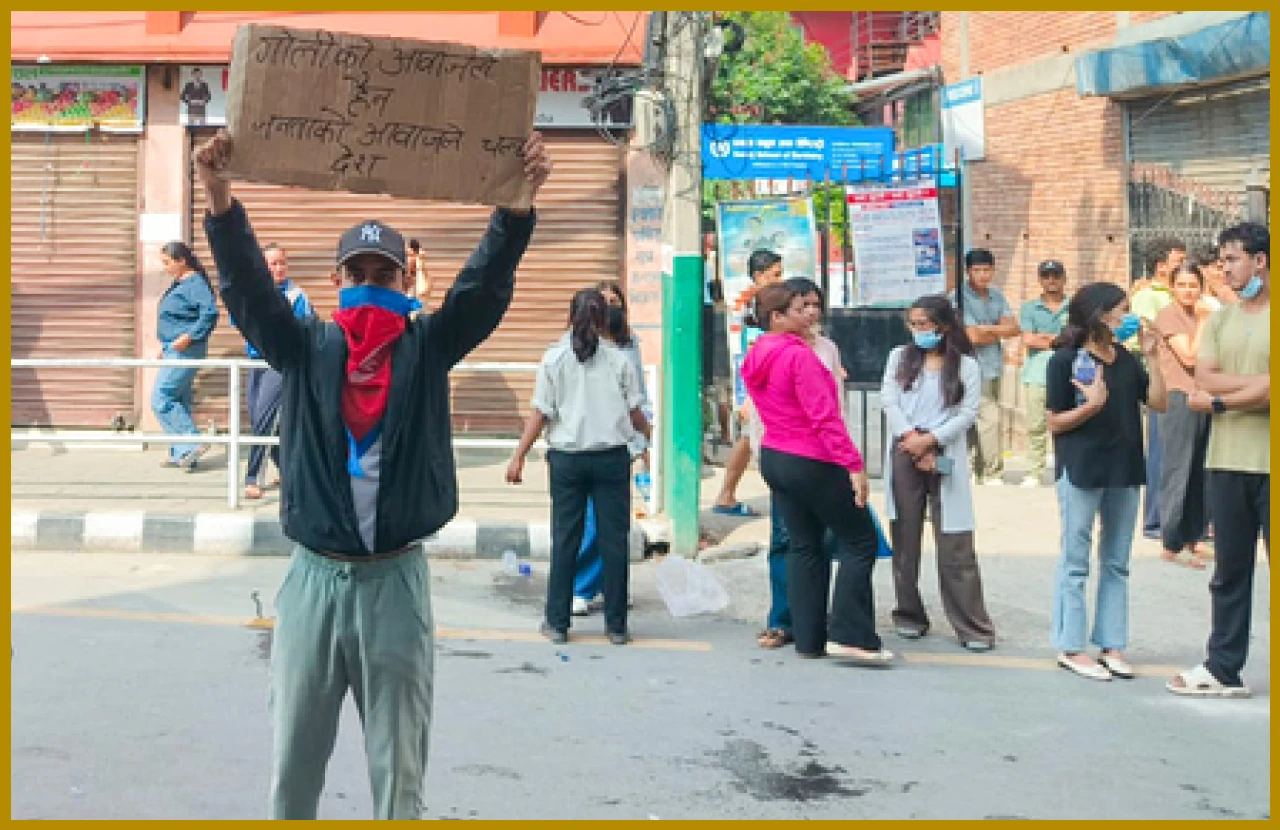
The decision comes in the wake of massive protests led by Gen-Z against restrictions imposed on social media by the Oli government in September. These protests later evolved into a broader anti-corruption movement, ultimately leading to the ousting of the Oli administration.
Government spokesperson and Home Minister Om Prakash Aryal informed reporters that the cabinet meeting concluded with the decision to retract the social media bill from Parliament.
The bill aimed to regulate social media platforms, with the government arguing that the ‘Social Network Usage Management Directive’ implemented in 2023 was insufficient.
In early September, the Oli government had imposed bans on several social media platforms, including Meta (Facebook, Instagram, WhatsApp), Alphabet (YouTube), X (formerly Twitter), Reddit, and LinkedIn, citing non-registration under regulatory provisions.
However, this decision sparked intense protests led by youth, which later transformed into an anti-government and anti-corruption movement. Despite the backlash, the social media bill remained pending in the upper house of Parliament, containing several provisions that raised concerns about potential restrictions on freedom of expression.
The Nepal Press Union and various digital rights organizations had strongly criticized many provisions of the bill. Among the most controversial was a provision related to penalties for the misuse of social media.
The bill listed nearly a dozen offenses, imposing hefty fines and prison sentences on users. Those spreading false or misleading information using fake identities could face severe penalties, including up to five years in prison and fines of up to 1.5 million Nepalese Rupees.
Additionally, the bill stated that no individual could use a pseudonymous or temporary identity to disseminate false or misleading information against Nepal’s sovereignty, territorial integrity, or national interests.
Furthermore, the proposal mandated that social media platforms obtain government licenses, with fines of up to 2.5 million Nepalese Rupees for operating without a license.
The bill also included strict penalties for cyberbullying, skimming, phishing, identity theft, sextortion, and other crimes committed via social media.
–
DSC